
What the Heat Generator Does in a Grain Dryer System
A heat generator is the grain dryer’s source of thermal energy: it heats air to the set temperature and supplies it to the drying chamber. The heated air passes through the grain layer, removes moisture, and is exhausted from the system. Without a heat generator, a grain dryer is just a shell with no drying process.
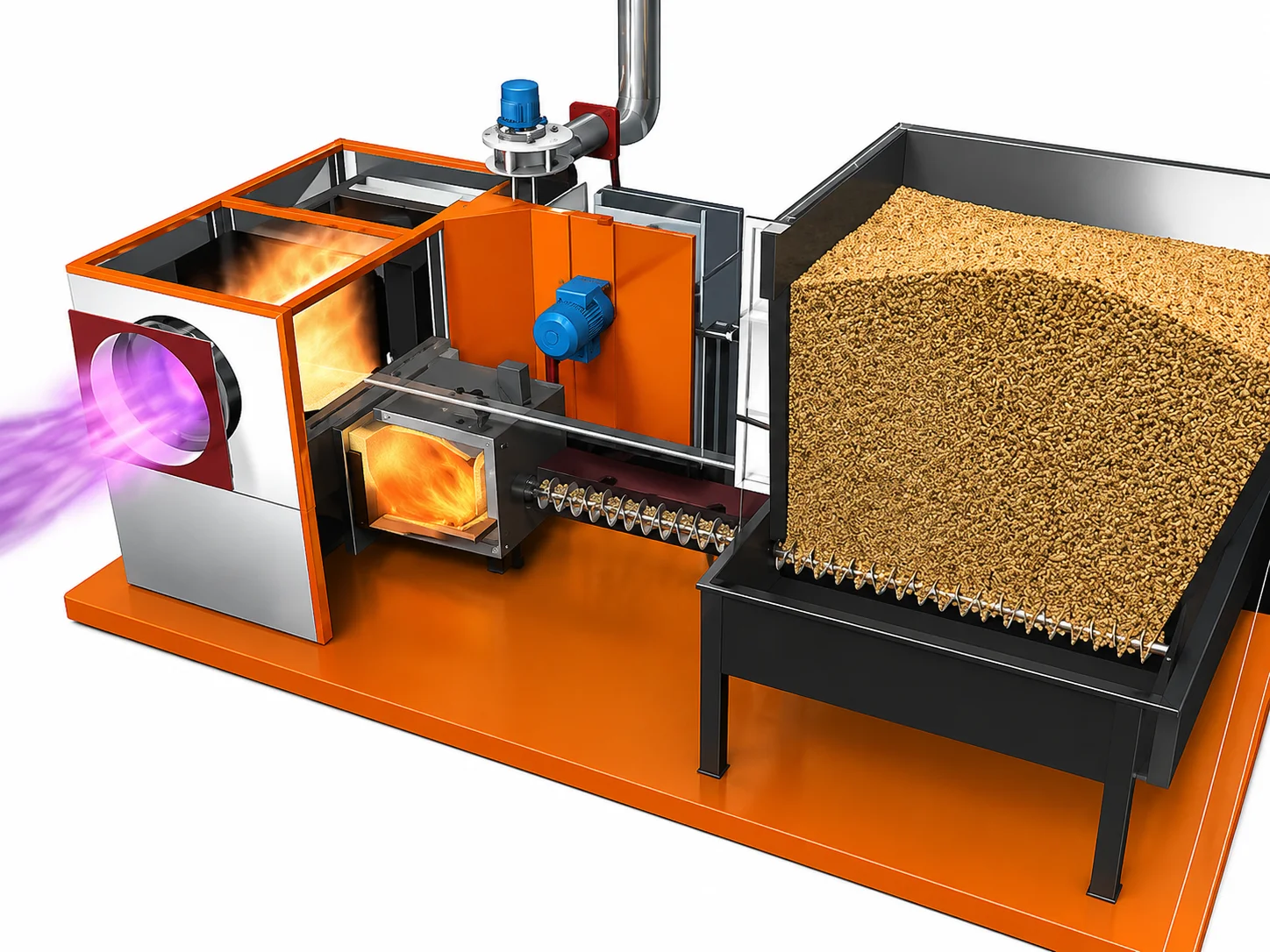
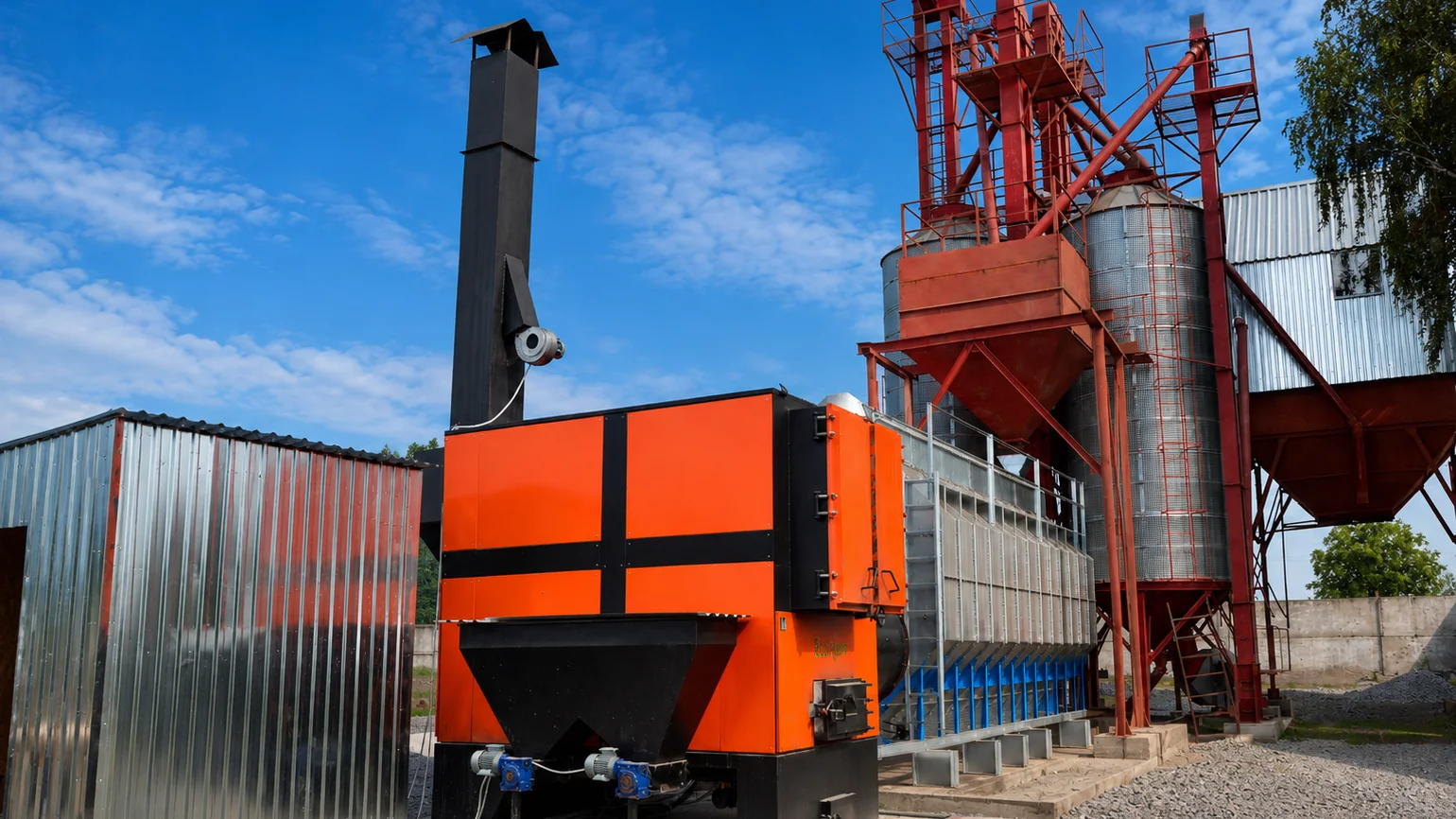
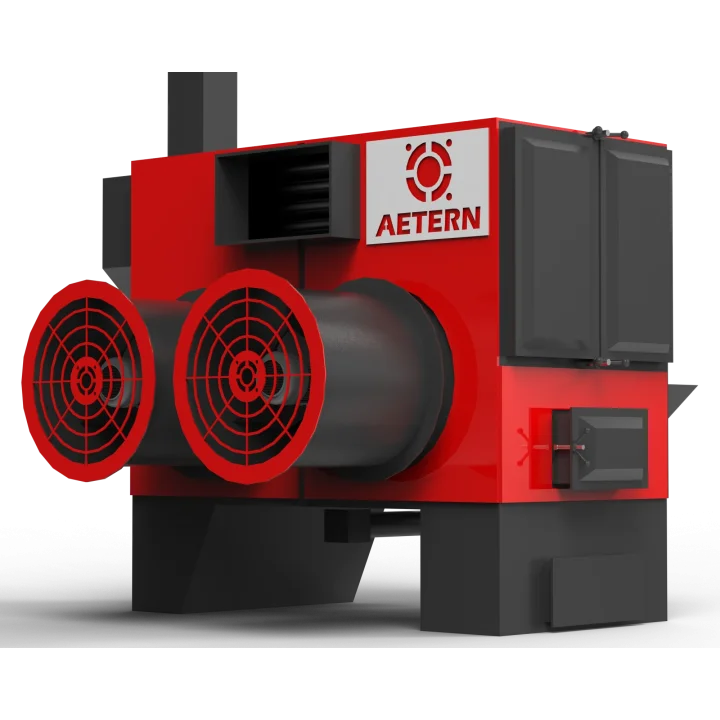
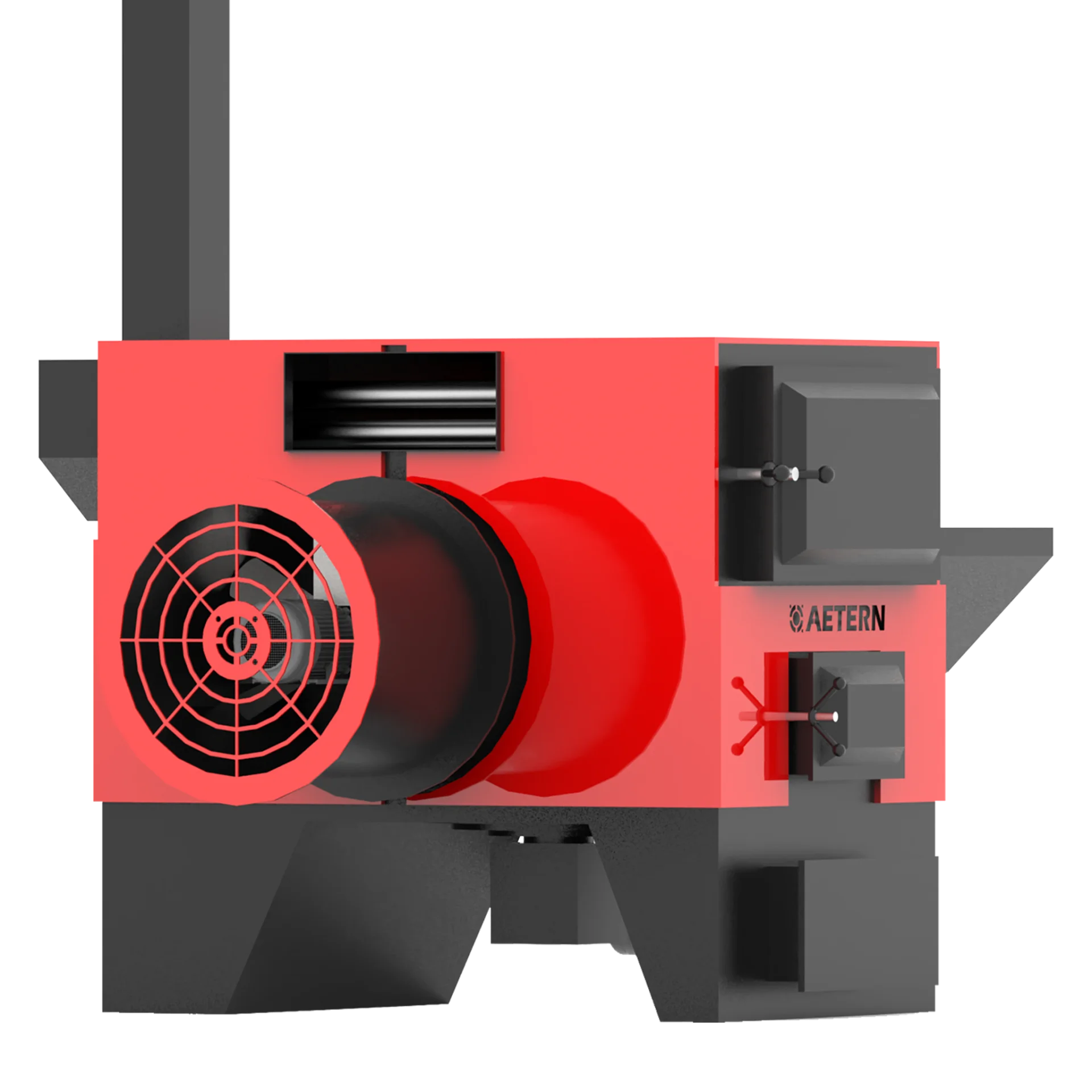
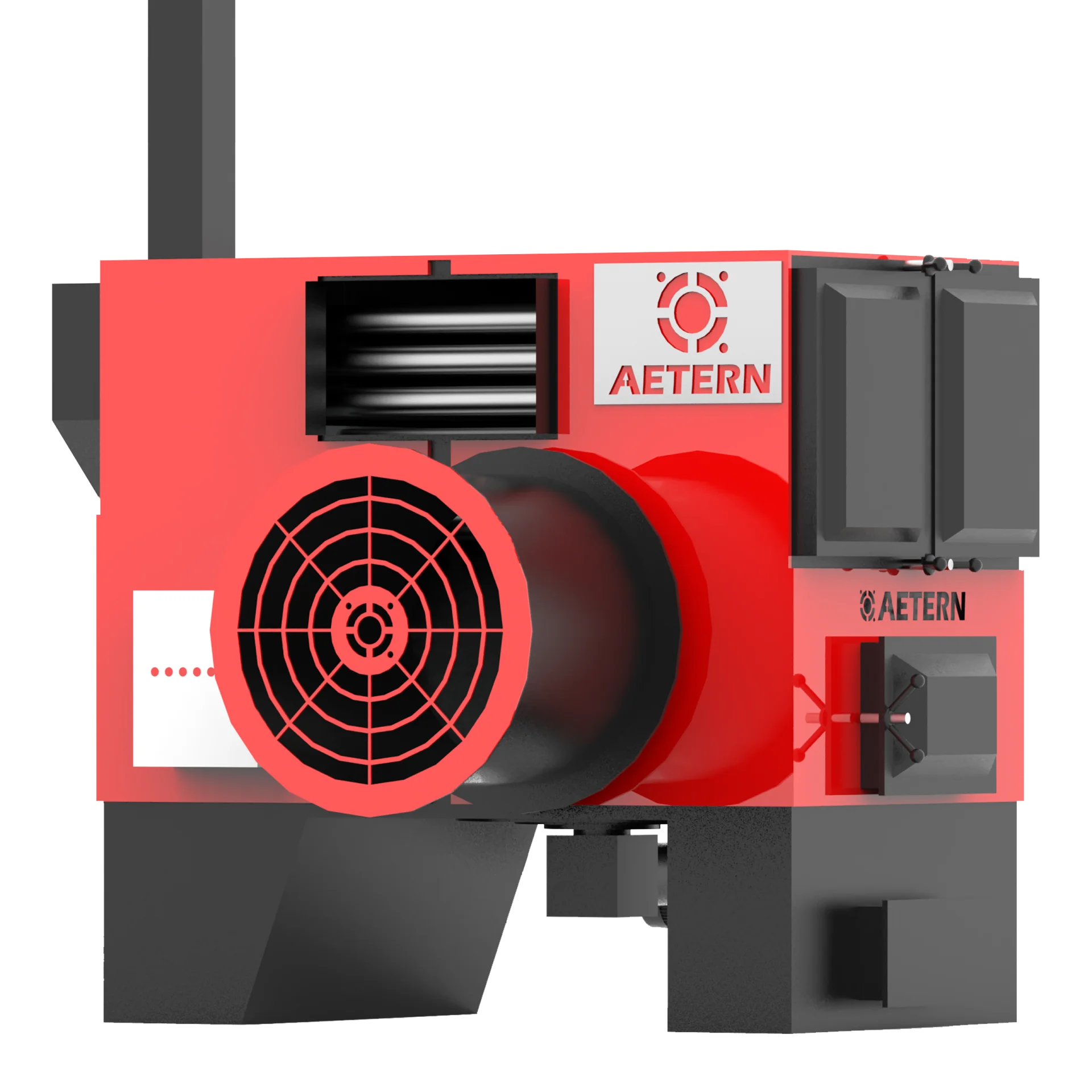
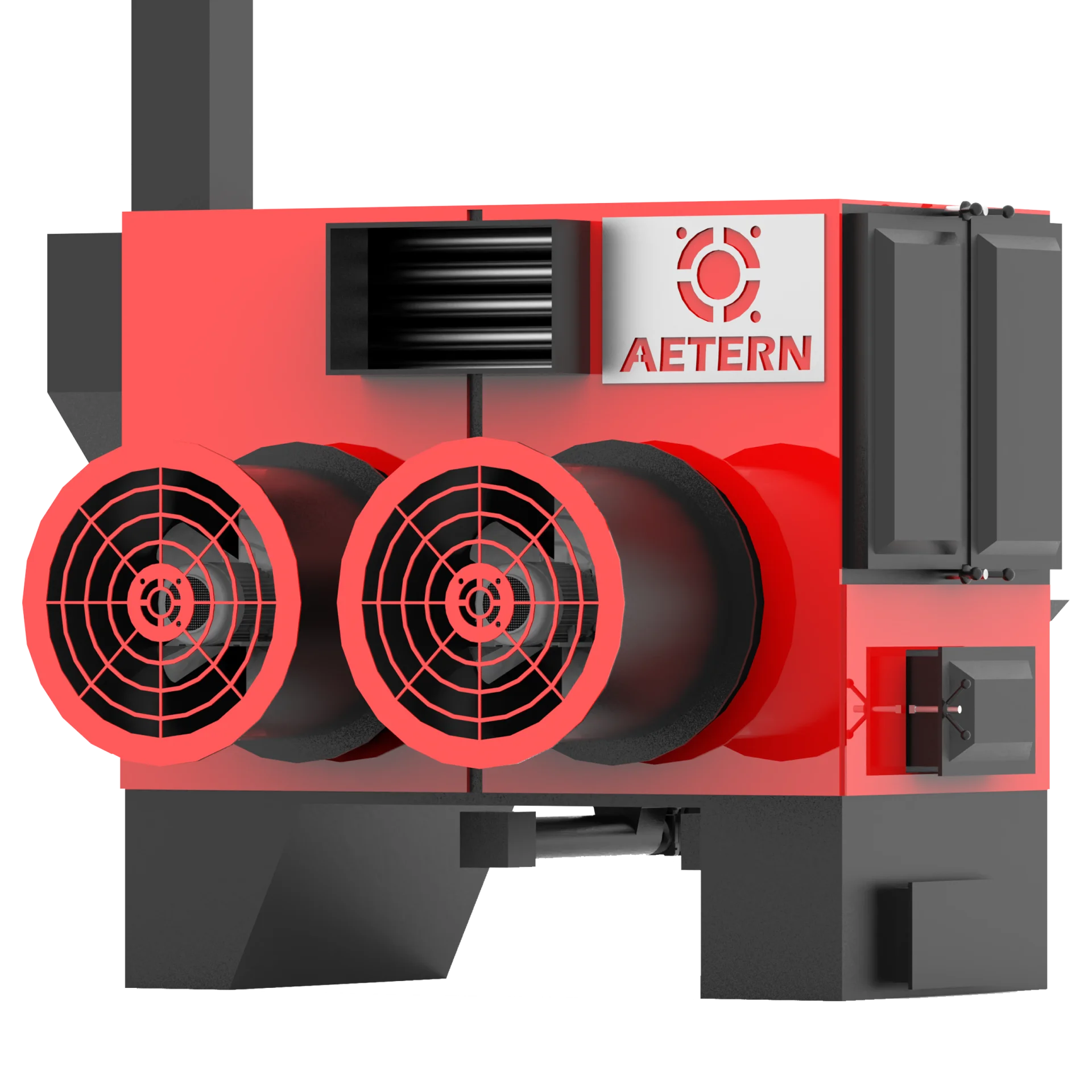
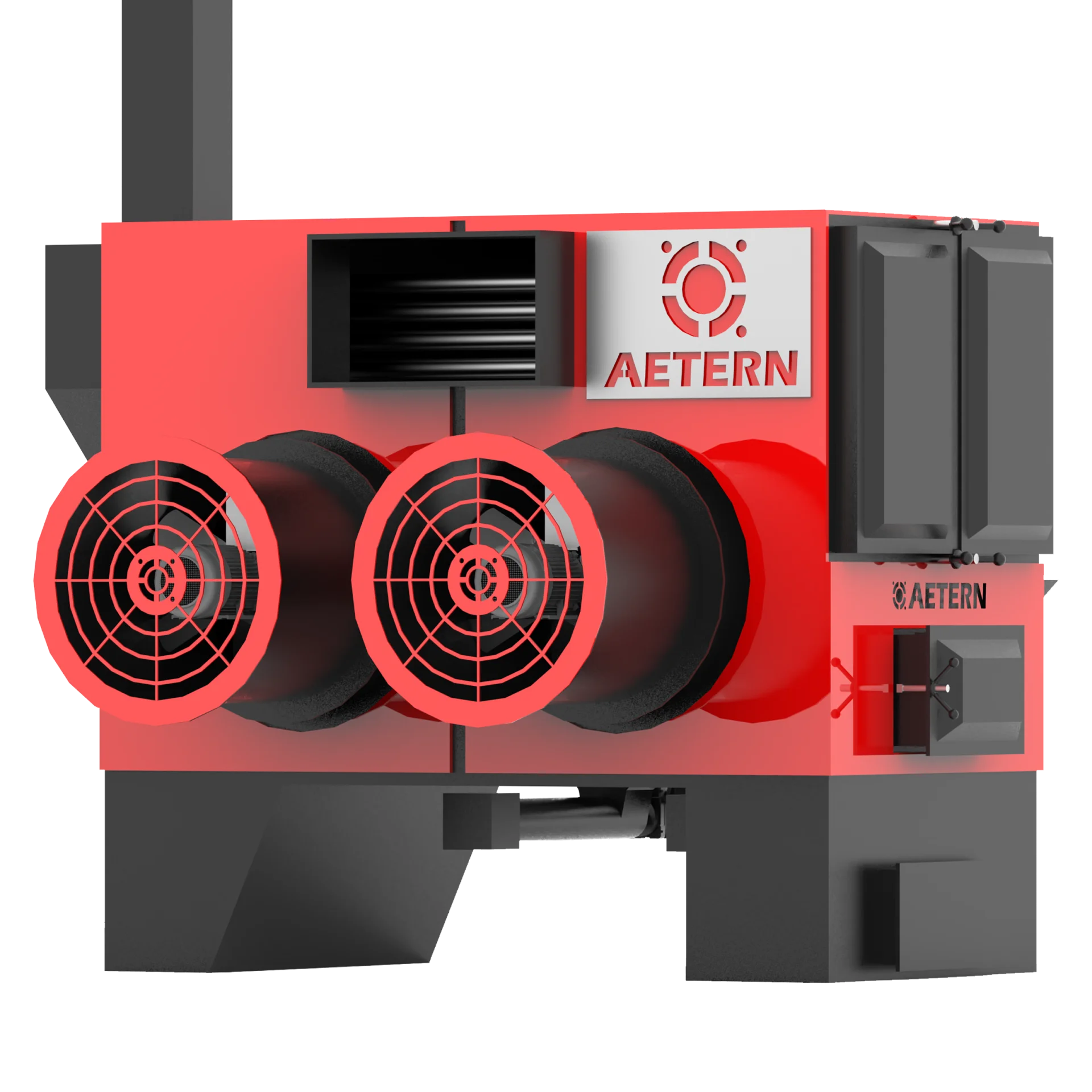
Heat generators operate on gas, diesel fuel, pellets, husks, wood chips, and other types of biomass. This unit is what produces the heat for the drying process.
Class 1 — direct heating. Fuel is burned in the furnace; combustion products mix with atmospheric air and are fed as a mixture into the drying chamber; the grain comes into contact with this mixture. The design is simpler and cheaper than heat-exchanger solutions, with 95–98% efficiency.
Class 2 — indirect heating via a heat exchanger. Fuel is burned in an isolated chamber; combustion products pass through a heat exchanger and are exhausted through the flue pipe; atmospheric air is heated through the walls without contact with flue gases and is supplied to the dryer as a clean agent. The system is more complex and expensive, has two circuits (flue and air), and a typical efficiency of 80–90%.